
 0
0



- Home
- Blog
- Hair Extension Knowledge
- Weft Hair Extensions Pros and Cons
Weft Hair Extensions Pros and Cons
Weft Hair Extensions Pros and Cons
If you want longer or thicker hair, weft hair extensions are a best choice. They attach to your natural hair using sewing, clips, beaded or tape. This method creates a seamless, long-lasting finish. Here, we will explain the different types of weft hair extensions, the pros and cons of each, how long you can wear them, and where to find the best ones.
1. What Are Weft Hair Extensions?
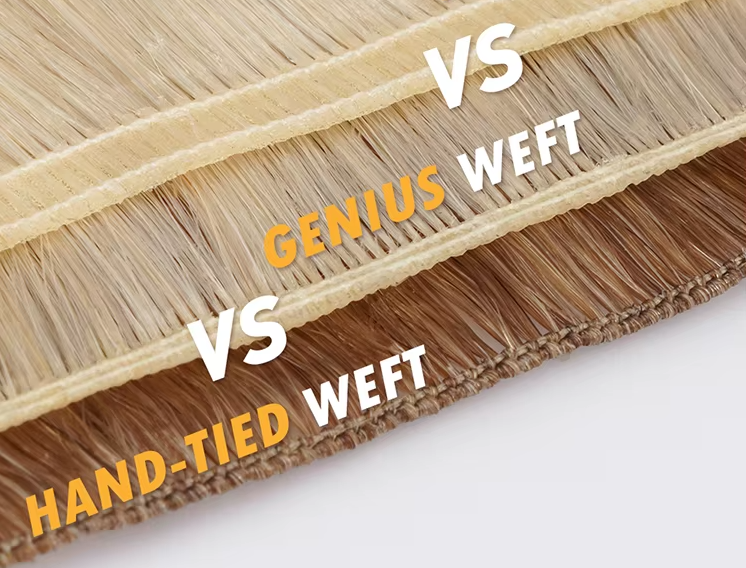
Weft hair extensions are essentially a bundle of hair strands sewn onto a very thin strip of fabric, ready for a stylist to attach to your natural hair. The way the hair is secured to the strip can vary, some wefts are machine sewn, while others are hand-tied. Both types weft hair extensions have their advantages, and depending on your hair texture, density, and styling needs, one may be a better choice for you than the other.
Depending on how they are installed, weft hair extensions can be:
- Sew In Weft Hair extension: Sewn directly onto braided cornrows for a long-lasting look.
- Micro bead weft hair extension: Attached to natural hair using small beads, creating a secure and reusable style without heat or glue.
- Clip In Weft Hair Extensions: Attached with clips for a temporary, easy-to-remove option.
- Tape In Weft Hair Extensions: Adhesive strips that attach to the hair, usually lasting a few weeks.
2. Types of Weft Hair Extensions
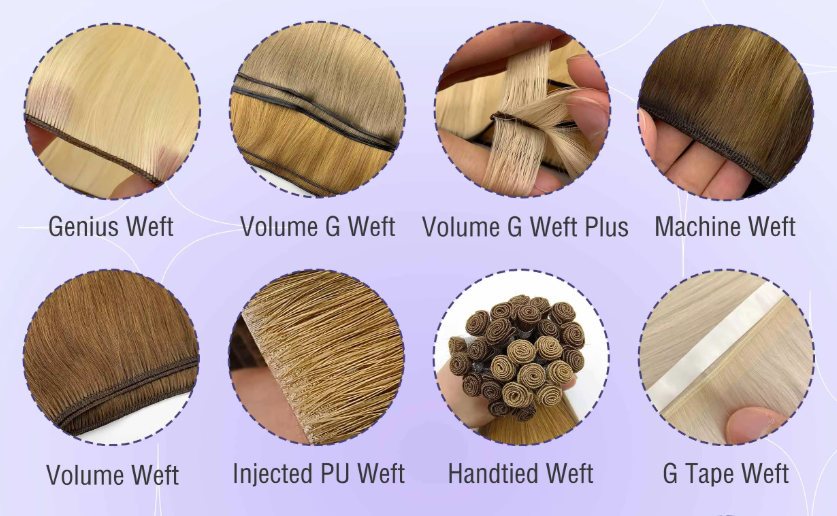
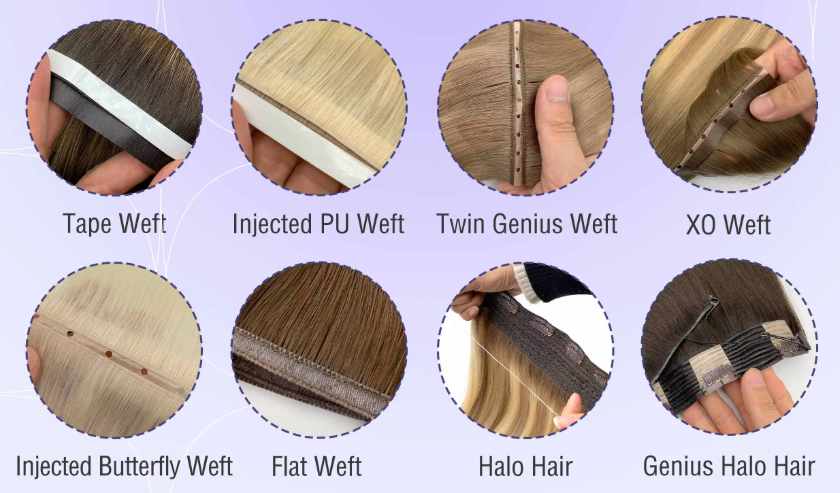
Weft hair extensions come in different types to suit various hair textures, styles, and lifestyles. Choosing the right type can make difference in comfort, durability, and overall look.
- Machine Wefts: These are sewn by machine, making them strong and durable. They are ideal for clients with thick hair or those looking for long lasting results.
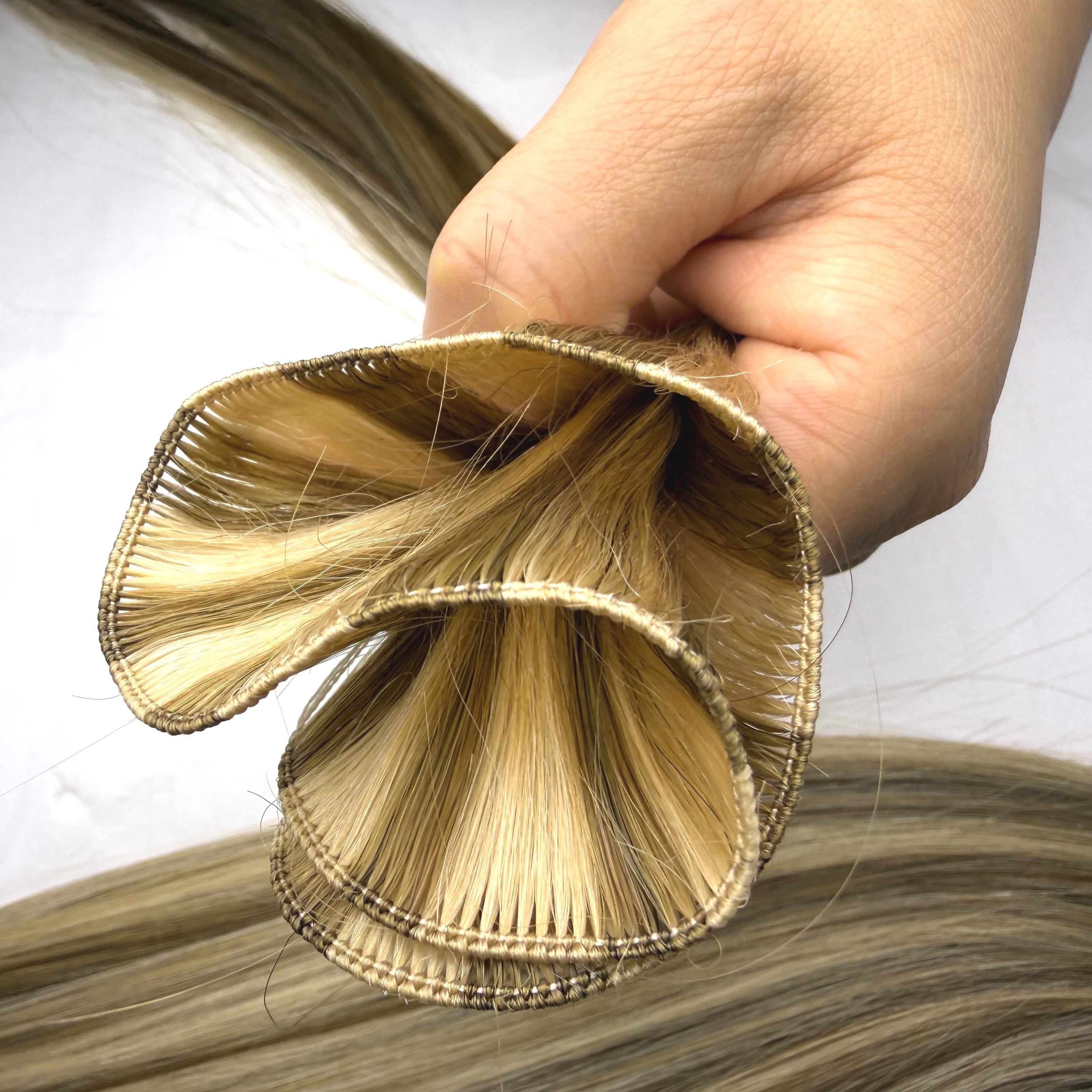
- Hand Tied Wefts: Sewn by hand, these wefts are lightweight and flexible. They blend naturally with fine or medium hair and provide a soft, natural appearance.
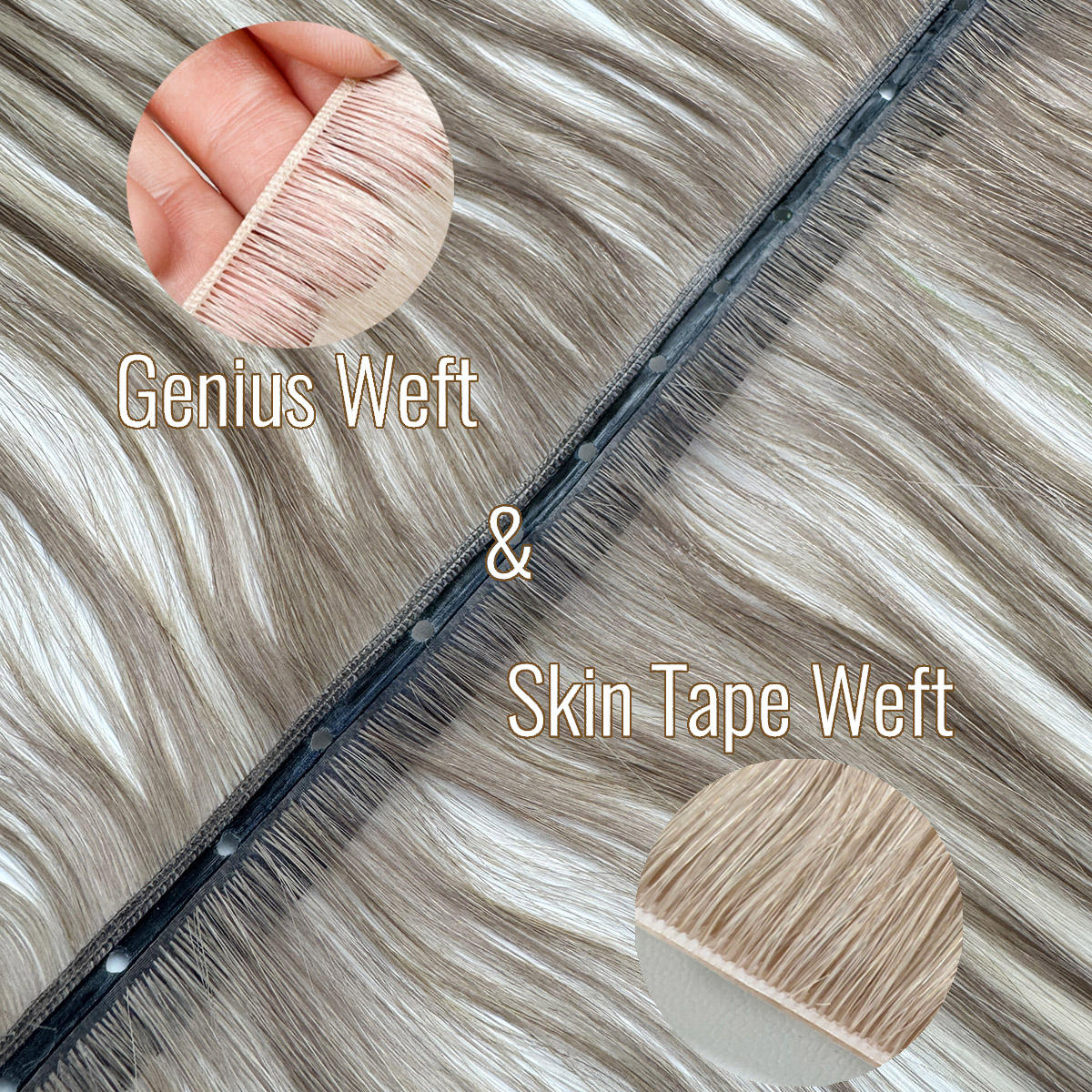
- Genius Wefts: Designed for quick and easy installation, genius wefts offer a flat, seamless finish and can be reused multiple times. They are perfect for those who want a fast, durable solution.
- Butterfly Wefts: Known for their lightweight feel and natural spread, butterfly wefts blend easily and are comfortable for layered or voluminous styles.
- Tape In Wefts: These wefts use adhesive tape to attach to your hair. They are semi-permanent, easy to remove or reposition, and a good choice for those who want a quick, reusable option without sewing.
Each type of weft has its own advantages, so it’s important to consider your hair type, lifestyle, and styling goals before choosing. Whether you want a long-term protective style or a quick, flexible solution, there’s a weft that can meet your needs.
3. The Difference Between Hand Tied Weft and Machine Sew In Wefts
Hand-tied wefts and machine sew-in wefts are two common types of weft hair extensions, and each has its own benefits.
- Hand Tied Weft Extensions: These are sewn by hand, making them lighter and more flexible. They blend naturally with fine or medium hair and are less bulky on the scalp. Hand tied wefts are perfect for achieving a soft, natural look and are easier to style for layered hairstyles.
- Machine Sew-In Wefts: These are sewn by a machine, making them stronger and more durable. They are ideal for thick hair or for people who want long-lasting volume. Machine weft extensions are slightly heavier, but they hold up well for long term wear.
Key Difference: Hand tied wefts are all about being soft and easy to blend, while machine tied wefts are stronger and built to last. Choosing the right one depends on your hair type, desired volume, and styling needs.
4. The Difference Between Hand-Tied and Genius Wefts
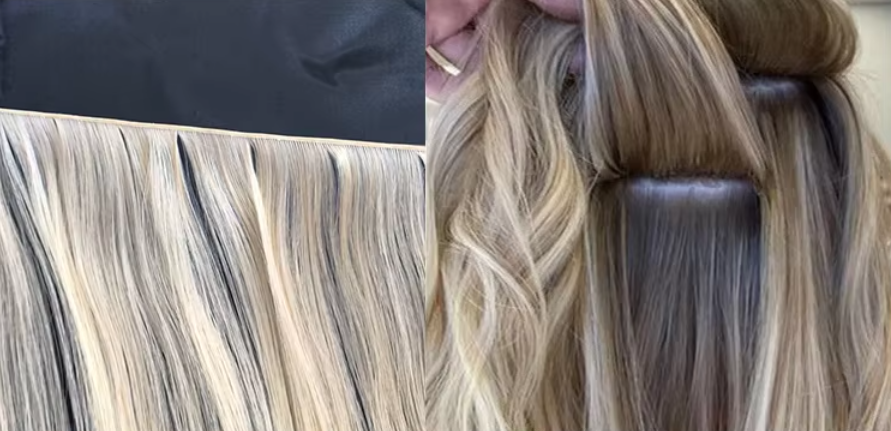
Hand-tied wefts are great because they’re light and look natural, but you can’t cut them without them coming apart. Genius wefts, on the other hand, give you that same lightweight feel but can be cut to size wherever you need. They’re more versatile and comfortable since they don’t have the “return hair” that can poke or irritate your scalp, and they lay flat for a smooth, seamless finish.
5. The Difference Between Butterfly Wefts and Genius Wefts
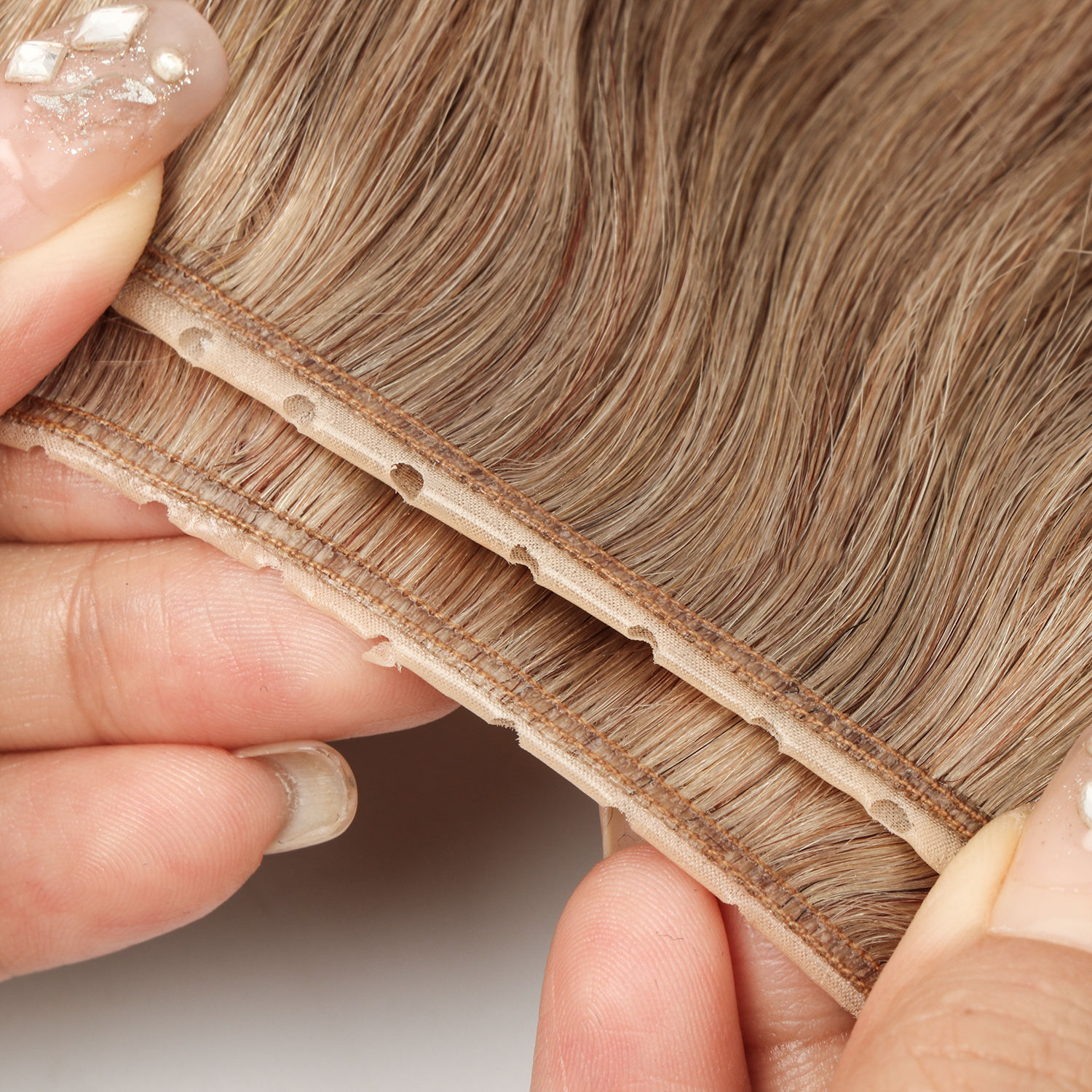
Genius wefts are super thin, can be cut to size, and lay flat for a seamless, invisible look, perfect if you have fine hair and want natural-looking volume. Butterfly wefts take the Genius idea further, often featuring a dual-sided or perforated design that gives extra thickness, makes installation faster and easier, and blends even better.
The main difference is that Genius wefts focus on being ultra-thin, while Butterfly wefts use a Genius base on both sides to add fullness and make styling simpler, giving you a luxurious, voluminous look that still moves naturally.
6. Benefits of Sew In Weft Hair Extensions for Natural Hair
Sew-in and other weft extensions offer several advantages:
- Instant Volume and Length: Transform your hair in minutes.
- Natural Look: Seamlessly blends with your natural hair.
- Protective Styling: Reduces daily heat and chemical damage.
- Supports Hair Health: Minimizes breakage and split ends, providing a protective environment for growth.
- Versatile: Can be styled, curled, or straightened.
- Suitable for All Hair Types: Works for straight, wavy, or curly hair.
- Life-Friendly: Stays secure during sleep, workouts, or water activities.
7. Disadvantages of Sew In Weft Hair Extensions
Despite their benefits, sew-in wefts also have some drawbacks:
- Professional Installation Required: Incorrect installation can cause discomfort or damage.
- Traction Alopecia Risk: Tight braids or heavy wefts can strain hair follicles.
- Maintenance Required: Regular washing, conditioning, and salon visits are necessary.
- Higher Cost: Installation, high-quality wefts, and maintenance add up.
- Removal is Not Instant: Often requires a stylist.
- Styling Limitations: High ponytails or very short hairstyles may reveal the wefts.
- Potential Scalp Issues: Can cause dryness, itching, or product buildup if not cared for properly.
- Weight Concerns: Heavy wefts may not suit fine or damaged hair.
8. How Long Do Weft Hair Extensions Last?
- Average wear time: 4–12 weeks, depending on installation and proper care.
- High quality wefts can be reused 2–3 times or more, lasting up to 6–20 months with proper maintenance.
- Proper washing, conditioning, and avoiding excessive tension on the hair can extend the lifespan of your extensions.
9. How Much Are Weft Hair Extensions?
The cost of weft hair extensions can vary quite a bit depending on a few key factors.
- Type of Hair: Real human hair or Remy hair wefts cost more than synthetic ones. Human hair looks more natural and lasts longer.
- Weft Type: Hand-tied weft and genius wefts tend to be more expensive than basic machine wefts because of the labor and quality involved.
- Length and Volume: Longer and thicker double drawn bundles naturally cost more. If you want really long or super double drawnl hair, expect to pay more.
- Installation Fees: Sew-in wefts need a professional stylist, and their labor costs can range widely depending on salon location and experience.
- Additional Services: Things like color matching, custom cutting, or extra styling can add to the total price.
Price range: Sew-in wefts typically range from $100 to $500+ for high quality human hair plus installation, depending on the length and thickness.
10. Where Can I Get the Best Weft Hair Extensions?
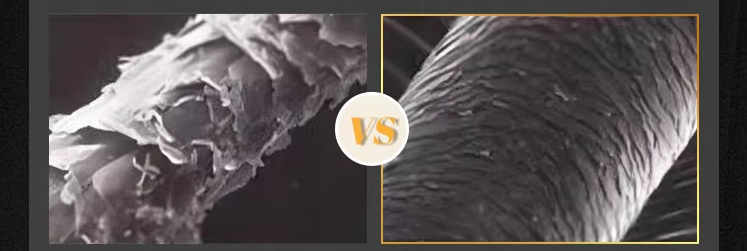
The best sew in weft hair extensions come from wholesale hair suppliers that focus on quality, not just price. Look for 100% human hair wefts, especially remy hair or virgin hair, for a natural look and long lasting wear.
High quality sew-in extensions should have thin, flat wefts that blends seamlessly and feel comfortable on the scalp. Choosing a trusted hair brand, salon supplier, or professional hair manufacturer helps ensure consistent quality, accurate color matching, and reliable results for both personal use and professional styling.
11. Conclusion
Weft hair extensions are a versatile, long-lasting, and protective way to enhance your hair. While they require professional installation, careful maintenance, and some investment, the results are natural, seamless, and highly customizable. Choosing the right weft type, installation method, and caring for your extensions properly ensures your hair looks healthy, full, and beautiful.
12. FAQs About Weft Hair Extensions
Q1: Will weft hair extensions damage my natural hair?
A1: When installed and maintained properly, wefts can protect your natural hair and reduce breakage.
Q2: Can I dye or style weft extensions?
A2: Human hair wefts can be dyed, curled, or straightened, but avoid excessive heat or chemicals.
Q3: How do I maintain weft hair extensions?
A3: Wash gently 1–2 times per week, condition regularly, brush carefully, and protect hair during sleep.
Q4: Are weft extensions suitable for curly hair?
A4: Yes, they can be matched to your natural texture for a seamless look.
Q5: Are weft hair extensions good for fine hair?
A5: Yes. Lightweight options like hand-tied weft, genius weft, or butterfly wefts work especially well for fine hair because they lie flat and don’t add bulk.
Q6: Can weft hair extensions be reused?
A6: High quality human hair wefts can be reused multiple times with proper care, especially genius weft, butterfly weft, and machine wefts.
Q7: Can I wash and style weft hair extensions?
A7: Yes. You can wash, blow-dry, curl, or straighten human hair wefts. Just use gentle products and avoid excessive heat.

Lina
Shiny Hair Senior Hair Product Research Editor
hair extension specialist & content editor at Shiny Hair, has over 8 years of experience in hair product research and salon support.

