
 0
0



- Home
- Blog
- Hair Extension Business Guide
- How Much Do Hair Extensions Cost?
How Much Do Hair Extensions Cost?
How Much Do Hair Extensions Cost?
Hair extensions are one of the fastest ways to add length, volume, and confidence to your look. However, if you’ve ever searched for human hair extensions, you’ve probably noticed that prices vary dramatically. Some hair extensions cost less than $100, while others can exceed $3,000. So, how much do hair extensions really cost?
The cost of hair extensions varies based on several key factors. These include the type of extensions you choose, the quality and length of the hair, how they are installed, and how much maintenance they require. In this guide, we’ll explain what really affects the price, so you can clearly understand your options and choose the best solution for your hair and your budget.
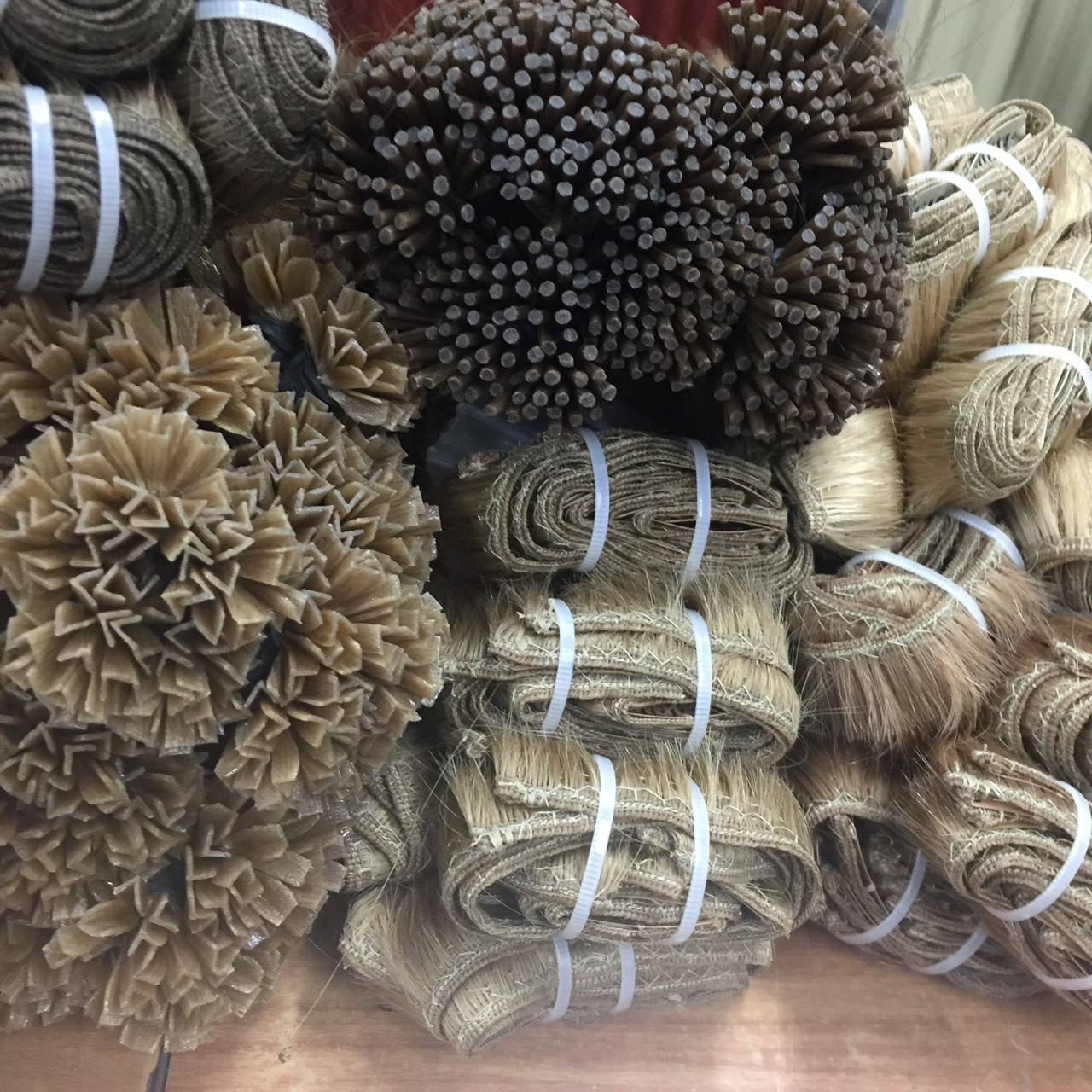
Average Cost of Hair Extensions
On average, hair extensions cost anywhere from $100 to $3,000 or more. This wide range exists because the total cost is usually made up of two parts:
- The cost of the hair extensions themselves
- The cost of installation and maintenance
Temporary, DIY friendly extensions usually cost less and are easy to use at home. Semi-permanent and permanent options cost more because they need professional installation and higher-quality hair.
Different Types Of Hair Extensions Prices
Different types of hair extensions come with different price points, lifespans, and maintenance requirements.
Clip In Hair Extensions
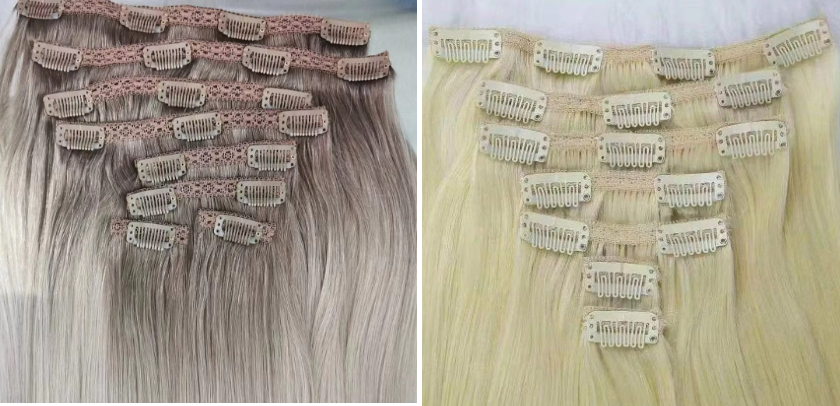
Clip in extensions come in a few popular styles. Classic weft clip ins add both length and volume, seamless clip in hair extensions lay flat for a natural look. One piece halo extensions are quick to put on and take off.
- Price range: $100–$400
- Installation: DIY
- Lifespan: 6–12 months with proper care
Clip in hair extensions are the most affordable option. They are easy to apply and remove, making them ideal for beginners or special occasions. While they don’t offer long term wear, they provide excellent value for short-term styling.
Tape In Hair Extension
Tape ins lie flat and give a smooth, natural look. There are a few options: regular tape ins, injection tape in hair extension for a stronger hold. Long tape wefts for more volume, and mini tape-ins if you just want to add a little thickness in small sections. They’re semi permanent and last a few weeks with proper care.
- Price range: $200–$800
- Installation: Professional
- Lifespan: 6–8 weeks before reinstallation
Tape in extensions are lightweight and lie flat against the scalp, creating a natural look. They are one of the most popular choices in salons due to their balance of affordability, comfort, and realism.
Sew In (Weave) Hair Extensions
Sew in hair extensions including butterfly wefts, genius wefts, machine wefts, and hand-tied wefts.
- Price range: $200–$1,500
- Installation: Professional
- Lifespan: 6–10 weeks
Sew in extensions are installed by braiding the natural hair and sewing the wefts onto the braids. This method is best suited for thicker hair types and provides excellent durability when installed by an experienced stylist.
Micro Link / Micro Bead Hair Extensions
- Price range: $300–$2,500
- Installation: Professional
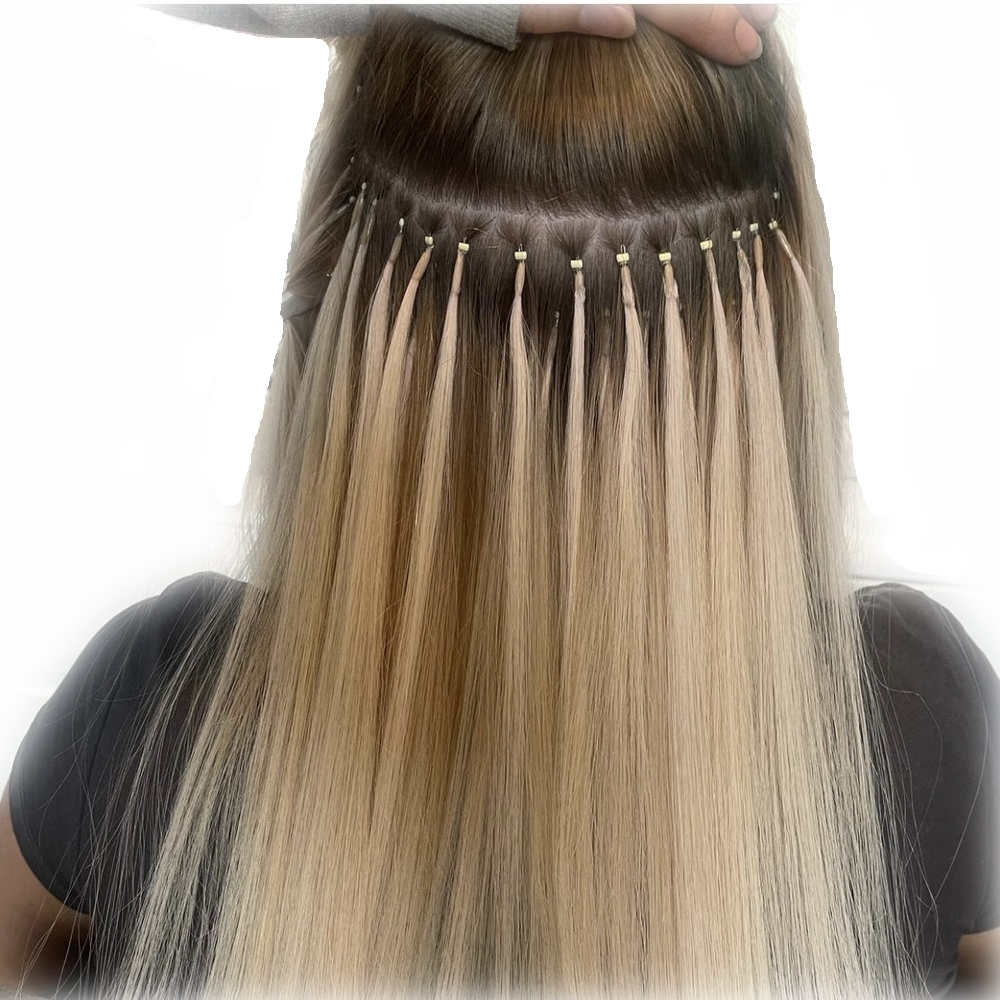
- Lifespan: 2–4 months with adjustments
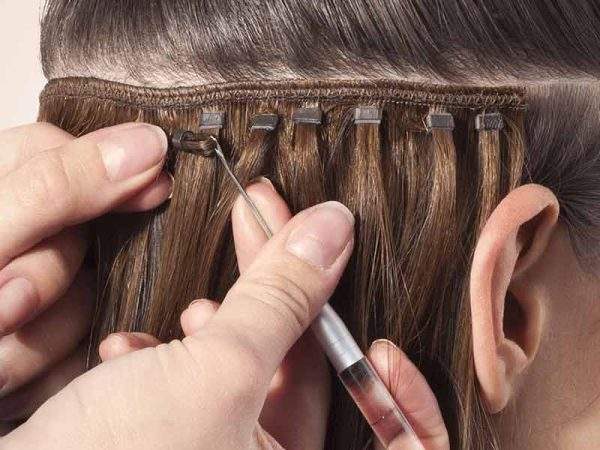
Micro link extensions attach small sections of hair using tiny beads or rings. You don’t need heat or glue with them, which makes them a great choice for anyone who wants a reusable, natural looking option.
Fusion / Keratin Bond Hair Extensions
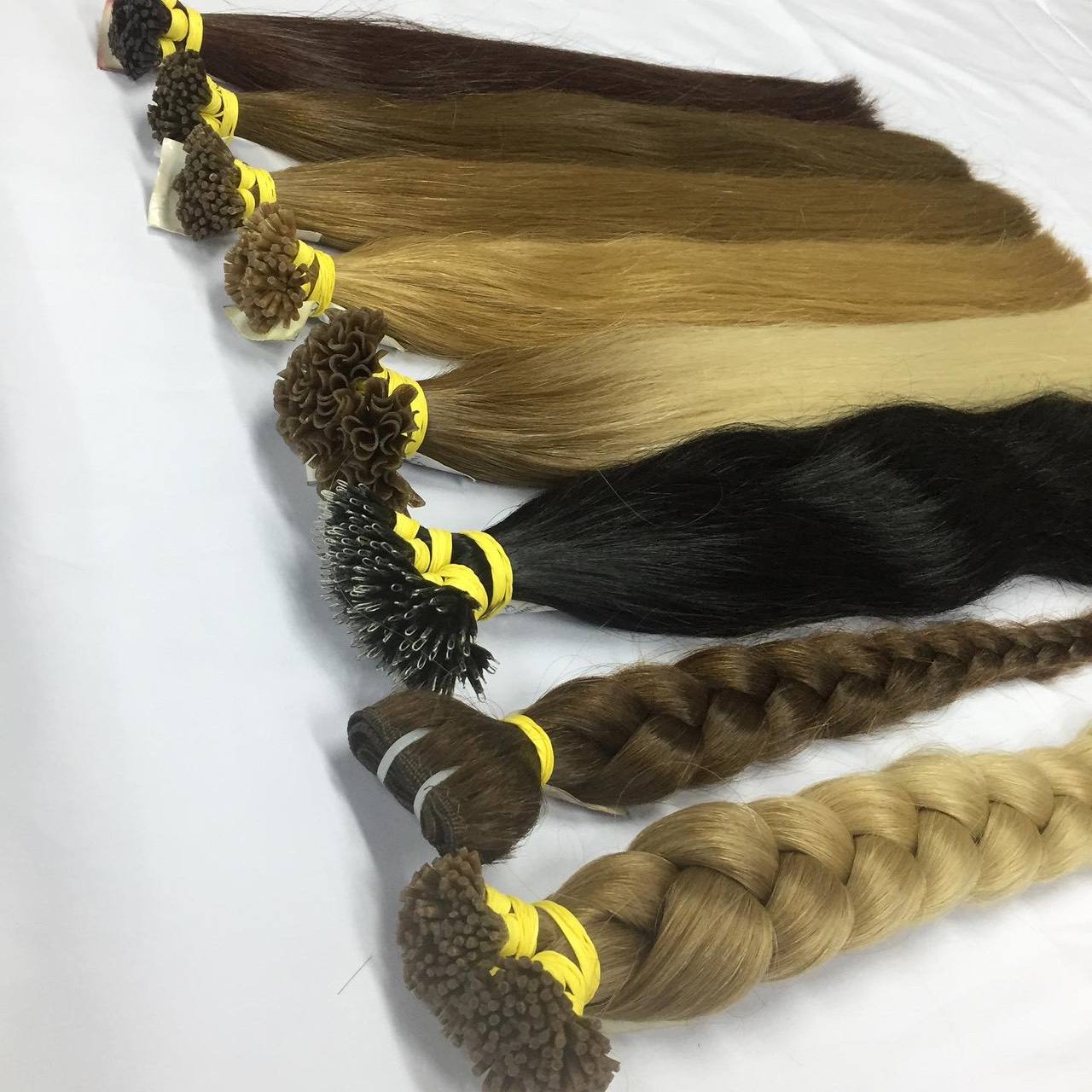
Fusion hair extensions come in different types, including I tip hair extension, U tip hair extension, flat tip hair extensions, and nano ring hair extensions. Each type lets you attach the hair strand individually for a long lasting, natural look.
- Price range: $500–$3,000+
- Installation: Professional
- Lifespan: 3–6 months
Fusion extensions are considered a premium option. Each strand is bonded individually using keratin, allowing for exceptional movement and blending. Due to the time-intensive application and high-quality hair required, this method is the most expensive.
What Affects the Cost of Hair Extensions?
Several key factors influence how much you’ll pay for hair extensions.
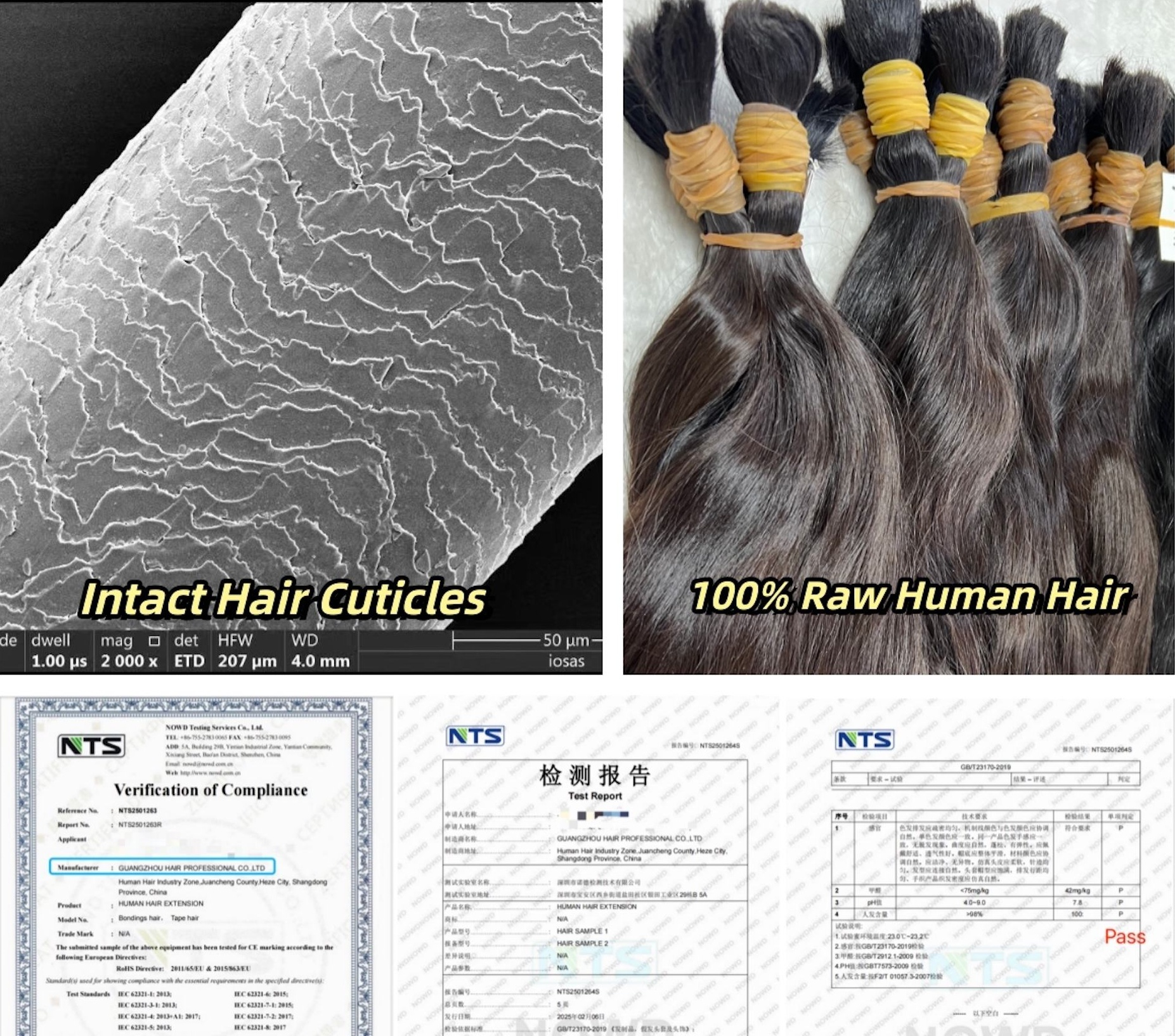
Hair quality is one of the biggest factors. High quality real human hair looks more natural, lasts longer, and can be styled with heat, while lower quality or synthetic hair is cheaper but doesn’t last as long and can tangle easily.
Hair material also matters. Remy hair or virgin hair costs more because the cuticles are aligned, which reduces shedding and keeps the hair smooth.
Hair length and weight affect the price too. Longer or thicker hair extensions require more hair, which raises the cost. For example, 24 inch extensions will cost more than 16 inch extensions of the same quality. Double drawn hair extension will cost more than single drawn hair.
Installation costs vary depending on the method and the stylist. Clip ins are DIY and inexpensive, while tape ins, sew in hair extension, or fusion hair extensions usually require a professional stylist, which adds to the overall price.
Maintenance and reinstallation add to the cost over time. Semi-permanent hair extensions like tape ins or fusion may need repositioning or touch-ups every few weeks, and proper care products are important to extend their lifespan.
Salon Installation vs. DIY: Which Is More Cost Effective?
DIY options like clip ins may seem cheaper upfront, but they are not suitable for long term wear. Professional installation costs more initially but often results in better blending, less damage, and longer-lasting results.
As a general rule:
The more permanent the extension method, the more important professional installation becomes.
Why Quality Hair Worth It?
High quality hair extensions may cost more upfront, but they offer better value in the long run. Quality hair looks more natural, blends better with your own hair, and feels softer to the touch. It also tangles less, sheds less, and stays smooth after washing and styling.
Good quality human hair lasts much longer than low-quality or synthetic hair, which means you won’t need to replace it as often. You can also style quality hair just like your own hair, curl it, straighten it, or color it without worrying about damage.
In the end, investing in quality hair saves time, money, and frustration. You get better results, longer wear, and a more natural look that makes the extra cost worth it.
How to Choose the Right Extensions for Your Budget
Once you understand how much hair extensions can cost, it’s easier to choose the right option for your budget. Start by thinking about how often you plan to wear them. Clip in extensions are more affordable and work well for short-term use or special occasions. If you want something longer lasting, tape-in or sew-in extensions usually cost more upfront but provide better value over time.
Hair quality, length, and weight also play an important role in the final price. It’s also important to consider installation and maintenance. Professional installation and regular upkeep add to the total cost, but they often help extensions last longer and look better in the long run.
Conclusion
So, how much do hair extensions cost? The answer depends on your goals, hair type, and how long you plan to wear them. Prices range from under $100 for temporary options to over $3,000 for premium, professionally installed extensions.
By understanding the factors that affect pricing: type, quality, installation, and maintenance. You can make a smarter choice and get the best value for your investment.
Frequently Asked Questions
How long do hair extensions last?
High quality human hair extensions can last 6–18 months with proper care.
Why are human hair extensions more expensive?
They look more natural, last longer, and can be styled like your own hair.
What is the most affordable type of hair extensions?
Clip in hair extensions are generally the most budget friendly option.
How much does maintenance cost?
Maintenance costs vary but typically range from $100–$300 per salon visit for semi-permanent extensions.
Do hair extension ruin your hair?
Hair extensions don’t ruin your hair when they’re chosen and installed correctly. Damage usually happens from poor installation, heavy extensions, or improper care, not from the extensions themselves.

Lina
Shiny Hair Senior Hair Product Research Editor
hair extension specialist & content editor at Shiny Hair, has over 8 years of experience in hair product research and salon support.

